
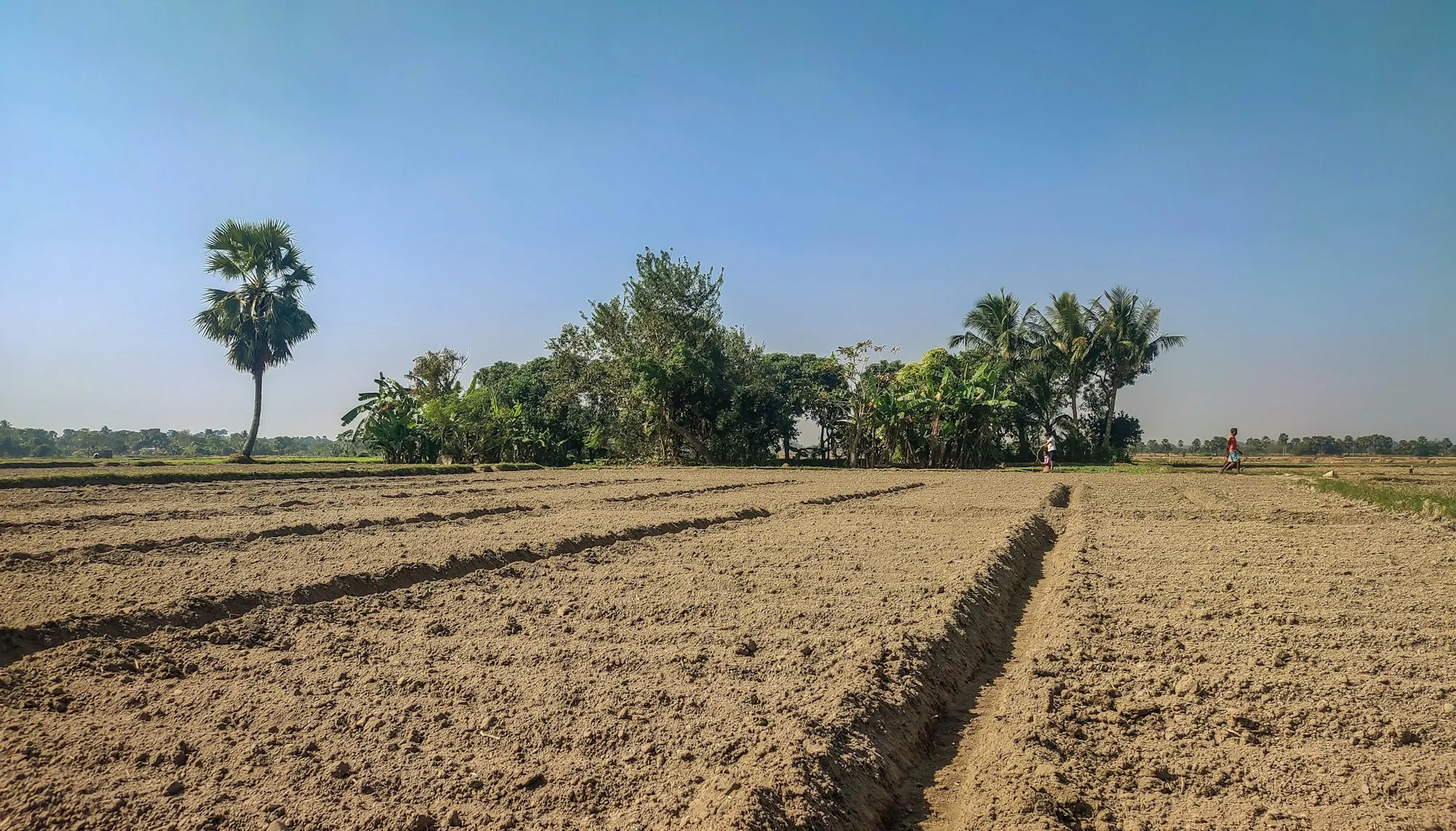
Drive the county roads around Terra Bella and the land rises toward the Sierra foothills in long, straight rows of trees. That orchard country is exactly why buying an orchard property here takes more homework than buying open ground. You are not just buying acres. You are buying living trees at a particular age, an irrigation system, wells, a water supply arrangement and a set of records, and every one of them changes what the property is worth to you. Here are eight checks to work through before you make an offer.
1. Confirm Where the Water Comes From
The water supply is the first thing to pin down, because an orchard without dependable water is a short-term asset. Around Terra Bella that usually means two questions: is the parcel inside an irrigation district that delivers surface water, and how much of the supply depends on wells?
Ask the seller for recent water bills or district statements, confirm the parcel’s status directly with the district, and find out whether delivery rights attach to the land or to the current owner. Surface water allocations can vary sharply from one year to the next, so ask for several years of delivery history rather than one good year.
2. Understand the Groundwater Rules You Will Inherit
Groundwater in this part of Tulare County is now closely regulated. The State Water Resources Control Board placed the Tule Subbasin on probation under the Sustainable Groundwater Management Act in September 2024, citing falling groundwater levels and land subsidence that has damaged the Friant-Kern Canal. Under probation, most pumpers must record their groundwater extraction and report it to the state.
Terra Bella sits on the east side of that subbasin. A State Water Board staff review of exclusion requests from March 2026 notes that the Terra Bella Irrigation District formed its own groundwater sustainability agency in February 2025 after the Eastern Tule agency dissolved, reported registering and metering all of its wells, and adopted a resolution limiting allocations to the plan’s sustainable yield of 0.99 acre-feet per acre for water year 2025. The same review recommended that pumpers in the area remain subject to state reporting and fees for now. For a buyer, the takeaway is simple: find out which agency governs the parcel, what the current pumping allocation is, and whether the wells are registered and metered.
Subsidence is the other half of the groundwater story. The staff review reports roughly 0.55 feet of area-averaged land subsidence across the Terra Bella agency since 2015, with a maximum of about 3.41 feet in a separate portion near the canal that the agency says is used only for recharge. Sinking ground can crack pipelines, shift concrete ditches and damage well casings, so it is worth asking whether any infrastructure on the parcel has needed repair and how close the property sits to the areas where the ground has dropped most.
3. Inspect the Wells Themselves
A well is only as useful as its depth, condition and output. Request the well completion reports, any recent pump tests and the repair history. Ask how deep the well is, when the pump and motor were last replaced, and whether output has dropped during dry years.
Dry wells are not hypothetical in this area. The same staff review cites state records showing two Terra Bella-area wells reported dry since 2015. A pump test by a licensed well contractor during your contingency period is a modest cost compared with drilling a replacement well after closing.
4. Evaluate the Trees: Age, Variety and Condition
The trees are the income-producing asset, so judge them like one. Find out the variety, rootstock, planting year and spacing for each block. A young orchard may be years away from full production, while an older one may be nearing the point where yields decline and replanting costs loom.
Walk every block rather than the edge rows. Look for missing or replaced trees, uneven canopy, dieback and signs of frost or heat damage. Ask for production records for several seasons and how the fruit or nuts were marketed. If the seller cannot document yields, that uncertainty belongs in your price.
Frost protection deserves its own question on foothill-edge ground. Find out whether the property has wind machines or other protection equipment, whether that equipment is included in the sale, and how it has been maintained, since replacing it is a significant cost.
5. Look Over the Irrigation System
Most orchards here run on drip or micro-sprinkler systems, and replacing one is a real expense. Ask when the system was installed, what has been replaced, and whether there are filters, pumps, booster stations or reservoirs on site. Check who owns any shared pipelines or turnouts and whether easements cover them.
A system designed for mature trees may not suit a replant, and one that has been patched for years may need major work soon. Have someone familiar with farm irrigation walk it with you, and ask the seller for the system map so you know where the valves, filters and mainlines actually run before anything gets dug up.
6. Ask for Pesticide Use and Spray Records
California tracks farm pesticide use closely. The Department of Pesticide Regulation collects agricultural pesticide use data after applications occur and makes that information public, and growers who use restricted materials work under permits issued through the county agricultural commissioner.
Ask the seller for application records and any restricted materials permits tied to the operation. Those records show how the orchard has been managed, flag any recurring pest or disease problems, and matter if you plan to change practices or pursue organic certification, which requires a clean history over a set period.
7. Check for Contracts and Restrictions
Some of the most important features of an orchard sit in documents, not on the ground. Many farm parcels are enrolled under the Williamson Act, and the California Department of Conservation explains that these contracts limit land to agricultural and compatible uses in exchange for a lower tax assessment. They also bind later buyers, so confirm the status in the title report.
Look as well for crop marketing agreements, farm leases, equipment leases, shared well agreements and recorded easements. A lease that runs past your planned closing date, or a marketing contract you are expected to honor, changes what you are actually buying.
8. Match the Price to What the Orchard Can Earn
Orchard prices reflect water, tree age and productivity as much as acreage. Two parcels of the same size can differ widely in value if one has dependable district water and young, healthy trees while the other relies on a single aging well.
| What you check | What it can reveal |
|---|---|
| Water source and district status | Whether supply is dependable or exposed to cuts |
| Groundwater agency and allocation | How much you can pump under current rules |
| Well records and pump test | Remaining life and output of the wells |
| Tree age, variety and yields | Years of production left and replant timing |
| Irrigation system | Near-term repair or replacement costs |
| Spray records and permits | Management history and pest pressure |
| Title, contracts and leases | Obligations that transfer with the land |
What Settles an Orchard Offer
If you can only dig deeply into one thing, make it water. Trees can be replanted and irrigation can be rebuilt, but a parcel without a dependable supply under the current groundwater rules will struggle no matter how good the trees look. Around Terra Bella, that means talking to the irrigation district and the groundwater agency before you talk price, and writing your contingency period long enough to get real answers from both.
When you are ready to put those findings into an offer, the agricultural real estate page shows how Real Estate Agent Terra Bella approaches grove land, and the buyer representation page and the homepage cover how a purchase comes together from first showing to close.
Sources
- State Water Resources Control Board, Tule Subbasin probationary hearing action (September 2024)
- State Water Resources Control Board, Review of Requests for Exclusion from Probationary Reporting and Fees, Tule Subbasin (March 2026)
- California Department of Pesticide Regulation, Pesticide Use Reporting
- California Department of Conservation, Williamson Act Program